Finding water in your home is a crisis; finding mould a few days later is a catastrophe. For homeowners in Geelong, the aftermath of a flood, whether from a heavy storm over the Otways or a simple bathroom leak, carries a hidden secondary threat. Mould.
At Flood Restoration Geelong, we have spent over 20 years educating our clients on a simple truth: Water damage is an emergency, but mould is a health hazard. If your property has recently suffered water intrusion, the decisions you make in the next 48 hours will determine the air quality of your home for years to come.
As Geelong’s top-rated flood restoration experts, we have compiled this essential guide to help you understand the science of mould and how to prevent it from taking over your property.
Why Mould Grows After Flooding
Mould spores are naturally present in the air at all times. Flooding creates the perfect environment for those spores to multiply.
Mould needs only three things to grow:
- Moisture (from flood or water damage)
- Organic material (timber, plaster, carpet, dust)
- Time (as little as 24–48 hours)
After flooding, moisture often remains trapped inside:
- Carpet underlay
- Subfloors
- Wall cavities
- Insulation
- Ceiling spaces
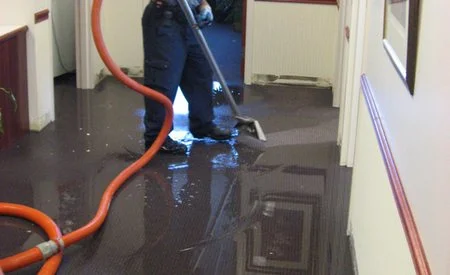
Even if surfaces appear dry, hidden moisture can fuel mould growth. This is why professional flood restoration in Geelong goes far beyond simple water removal.
How Quickly Can Mould Appear After a Flood?
After a flood, mould growth can begin far sooner than most homeowners expect. In many Geelong homes, mould can start developing within just 24 hours of water damage. By the 48 to 72-hour mark, mould colonies may already be established in hidden areas such as wall cavities, ceiling voids, under carpets, and beneath timber or laminate flooring. If left untreated for a week or more, mould can spread rapidly throughout the property and release airborne spores, significantly impacting indoor air quality.
One of the most common reasons homeowners face costly mould remediation after flooding is delayed professional drying. Even when visible water has been removed, moisture often remains trapped inside building materials. Without specialised drying equipment and moisture testing, these damp conditions create the perfect environment for mould to thrive.
Why Mould After Flooding Is a Serious Health Risk
Mould is not just a cosmetic issue or an unpleasant smell; it can pose serious health risks, particularly after flood events. Prolonged exposure to mould spores can affect anyone, but it is hazardous for children, elderly residents, and people with asthma, allergies, or weakened immune systems.
Common health symptoms linked to mould exposure include:
- Respiratory irritation and breathing difficulties
- Persistent coughing or sneezing
- Headaches, fatigue, and poor concentration
- Skin rashes and eye irritation
- Worsening asthma or allergy symptoms
In more severe cases, long-term mould exposure can contribute to chronic respiratory conditions and ongoing health complications. These risks are often heightened after floods because contaminated water and high humidity accelerate mould growth.
The Importance of Early Mould Prevention After Flood Damage
Preventing mould growth should always be a core part of professional flood restoration, not an optional add-on. Proper mould prevention involves rapid water extraction, structural drying, dehumidification, airflow management, and moisture monitoring using professional-grade equipment. Simply opening windows or using household fans is not enough to stop mould growth beneath surfaces.
In Geelong’s climate, where humidity can linger after heavy rain or flooding, early intervention is critical. Acting quickly within the first 24 to 48 hours can mean the difference between a straightforward drying process and extensive mould remediation.
If your property has experienced flood or water damage, engaging a professional restoration team immediately is the most effective way to protect your home, your health, and your long-term repair costs.
The 48-Hour Window: Why Speed is Your Best Defence
Mould spores are naturally present everywhere, both indoors and outdoors. However, they remain dormant until they find three things: Moisture, Food (like gyprock or timber), and Time.
In a flooded Geelong home, mould can begin to germinate in as little as 24 to 48 hours. By the time you can actually see black spots on your skirting boards or smell that “musty” odour, the colony is already well-established.
Why "Surface Drying" Isn't Enough
Many homeowners believe that if the carpet feels dry to the touch, the risk is gone. This is a dangerous misconception. Moisture often remains trapped in the carpet underlay or the timber subfloor. As Geelong’s trusted local experts, we use industrial dehumidifiers to pull moisture out of these deep layers, “starving” the mould before it can grow.
The Dangers of DIY Mould Cleanup
We often see Geelong residents attempting to clean up mould using household bleach. As professionals, we advise against this for several reasons:
- Bleach Doesn’t Kill Roots: On porous surfaces like drywall or wood, bleach only removes the surface colour. The “roots” of the mould remain deep inside the material, ready to return.
- Spore Dispersal: Scrubbing dry mould without professional HEPA-filtration equipment releases millions of spores into the air, where they can be inhaled or settle in other rooms.
- Health Risks: Exposure to mould can cause “Damp Building Syndrome,” leading to respiratory issues, skin irritation, and chronic fatigue.
Common Signs of Mould After Flooding
Homeowners often miss early warning signs. Look out for:
- Musty or damp smells
- Discolouration on walls or ceilings
- Bubbling or peeling paint
- Warped floors or skirting boards
- Increased indoor humidity
- Allergy symptoms worsening indoors
If you notice any of these after flooding, professional inspection is essential.


Why Mould Is Common in Geelong Homes After Flooding
Mould growth after flooding is a widespread issue in Geelong homes, mainly due to the region’s climate and the way modern houses are built. Even minor water damage can quickly lead to mould problems if moisture is not professionally managed.
Geelong experiences a mix of coastal humidity, cooler temperatures, and periods of heavy rainfall. After flooding or water intrusion, this environment slows natural evaporation, allowing moisture to remain trapped inside homes for extended periods. When combined with modern construction methods, these conditions create an ideal breeding ground for mould.
One major contributing factor is insulated wall cavities. While insulation improves energy efficiency, it also traps moisture inside walls once water enters. This hidden dampness often goes unnoticed until mould has already spread behind plasterboard or within framing.
Timber flooring and timber subfloors, common in many Geelong properties, are another risk factor. Timber readily absorbs moisture and can remain damp long after surface water has been removed. Without professional drying, mould can develop beneath floors, leading to structural damage and musty odours.
Older homes in Geelong may also have ageing plumbing systems. Burst pipes, leaking joints, or degraded seals can slowly release water, increasing the likelihood of mould growth after a flood or heavy rain event.
In contrast, many newer homes are designed with limited natural airflow. Tightly sealed windows and modern layouts reduce ventilation, slowing drying and allowing humidity to linger indoors. This trapped moisture significantly increases the risk of mould following water damage.
Why Local Experience Matters
Effectively managing mould risks after flooding requires local knowledge. Understanding Geelong’s climate, housing styles, and common moisture issues allows restoration professionals to identify hidden problem areas early. Fast, local intervention with the proper drying and moisture-control techniques is essential to prevent mould, protect indoor air quality, and avoid costly remediation later.
Insurance & Mould After Flooding in Geelong Homes
When flooding or water damage occurs, many homeowners assume mould remediation will automatically be covered by insurance. In reality, insurance coverage for mould is often conditional. Most Australian insurers will only cover mould damage if it is the direct result of a sudden and accidental event, such as flooding, stormwater intrusion, or a burst pipe—and only if prompt action is taken to prevent further damage.
Delays in drying or restoration can lead insurers to classify mould as a maintenance issue rather than flood-related damage. This is one of the most common reasons mould claims are reduced or rejected. Acting quickly after water damage is critical to protecting both your property and your insurance position.


How Professional Documentation Supports Insurance Claims
Proper documentation plays a key role in successful insurance outcomes. We assist Geelong homeowners by providing the professional evidence insurers expect, including:
- Detailed moisture readings and drying reports that confirm water intrusion and drying progress
- Photo documentation showing the extent of flood damage and restoration work
- Professional restoration records outlining equipment used, timelines, and industry-standard procedures
This documentation demonstrates that immediate and appropriate action was taken, helping insurers clearly link mould growth to the original flood event rather than delayed maintenance.
How Early Action Can Save Thousands
Taking early steps to manage mould risk after flooding can result in significant long-term savings. Prompt professional drying and moisture control can:
- Prevent the need for costly wall, ceiling, and flooring replacement
- Avoid extensive and disruptive mould remediation projects
- Protect indoor air quality, reducing health risks for occupants
- Minimise insurance disputes and claim delays
- Reduce disruption to daily life and shorten recovery time
Once mould becomes established, restoration costs increase rapidly. What may have started as a straightforward drying job can quickly escalate into a major remediation project involving demolition, containment, air filtration, and prolonged repairs.
Why Delaying Action Increases Costs
Delaying professional restoration allows moisture to penetrate deeper into structural materials. As mould spreads, damage compounds, repairs become more invasive, and insurance coverage becomes harder to secure. Early intervention within the first 24 to 48 hours after flooding is often the deciding factor between a manageable claim and an expensive out-of-pocket repair.
For Geelong homeowners, fast professional action isn’t just about drying a property—it’s about protecting your health, your home, and your financial future.
Why We Are Geelong’s Top-Rated Flood & Mould Experts
At Flood Restoration Geelong, we are trusted across the region because:
- We have over 20 years of industry experience
- Our technicians are IICRC-certified
- We are local Geelong specialists
- We offer 24/7 emergency response
- We focus on long-term safety and results
We don’t just dry homes, we protect families and properties.
Frequently Asked Questions
How soon can mould grow after flooding in a Geelong home?
Mould can begin growing in as little as 24 to 48 hours after flooding if moisture is not properly removed. In many Geelong homes, water becomes trapped inside wall cavities, carpet underlay, and subfloors even after visible water is gone. This hidden moisture creates ideal conditions for mould to develop quickly. That’s why professional water extraction and structural drying should begin immediately after a flood to prevent mould before it becomes a serious health and repair issue.
What are the first signs of mould after flood damage?
Early signs of mould after flooding often include musty or damp smells, discolouration on walls or ceilings, bubbling paint, warped floors, or increased humidity inside the home. Some homeowners also notice worsening allergy symptoms or respiratory irritation indoors. These signs usually indicate hidden moisture or early mould growth. We recommend professional inspection as soon as any of these symptoms appear, as mould is often present before it becomes visibly obvious.
Is mould after flooding dangerous to health?
Yes, mould after flooding can pose serious health risks, especially for children, elderly residents, and people with asthma or allergies. Exposure to mould spores can cause coughing, sneezing, headaches, skin irritation, and breathing difficulties. In severe cases, prolonged exposure can worsen respiratory conditions. This is why mould prevention and professional drying are essential parts of flood restoration, not optional extras. Protecting indoor air quality is just as important as drying the structure.
Can I clean mould myself after a flood?
We strongly advise against DIY mould cleaning after flooding. Household products like bleach only remove surface staining and do not eliminate mould roots in porous materials. DIY cleaning can also release mould spores into the air, spreading contamination throughout the home. Without proper drying and containment, mould will often return. Professional flood restoration addresses the root cause—moisture—while safely treating affected areas to prevent regrowth.
How does professional flood restoration prevent mould growth?
Professional flood restoration prevents mould by removing water quickly, drying all affected materials thoroughly, and controlling humidity levels. We use industrial-grade water extraction, commercial dehumidifiers, and targeted airflow to eliminate hidden moisture. Antimicrobial treatments are applied to high-risk areas, and moisture levels are monitored until the property reaches safe, pre-loss conditions. This comprehensive process is the most effective way to stop mould before it starts.
Can mould grow behind walls or under floors after flooding?
Yes, mould commonly grows behind walls, under floors, and inside insulation after flooding because these areas trap moisture and receive little airflow. Homeowners often don’t realise there is a problem until mould has spread extensively. We use moisture meters and thermal imaging to detect hidden water and mould risks early. Identifying and drying these concealed areas is critical to preventing long-term structural damage and costly mould remediation.
Does insurance cover mould after flooding in Victoria?
In many cases, insurance may cover mould if it results directly from a sudden event like flooding or a burst pipe and if action is taken promptly. Coverage can vary depending on your policy. We help Geelong homeowners by providing professional documentation, moisture reports, and restoration records to support insurance claims. Delaying restoration or attempting DIY repairs can sometimes affect claim outcomes, so early professional involvement is important.
How long does flood drying take to prevent mould?
Flood drying typically takes 2 to 5 days, depending on the extent of water damage, materials affected, and airflow conditions. Severe flooding involving walls or subfloors may take longer. Proper drying cannot be rushed, as incomplete drying increases mould risk. We monitor moisture levels daily and only complete the job once the property is fully dry and safe. Thorough drying is essential to long-term mould prevention.
Why is mould common in Geelong homes after flooding?
Geelong homes are particularly vulnerable to mould after flooding due to timber construction, insulated wall cavities, and limited natural airflow in modern buildings. Combined with moisture from flooding, these conditions allow mould to develop quickly if drying is delayed. Local experience matters when managing mould risks, as understanding building styles and climate conditions helps ensure effective flood restoration and long-term protection.
When should I call a professional after flooding to prevent mould?
You should call a professional immediately after flooding, even if the water appears minor. The first 24 hours are critical for preventing mould growth. Early professional water extraction and drying significantly reduce damage and repair costs. Waiting for visible mould to appear usually means the problem is already advanced. Prompt action gives the best chance of protecting your home, health, and insurance coverage.
Related Blog's

Burst Pipe Flooding in Geelong Homes: Immediate Actions That Save Thousands
Mould After Flooding? Expert Flood Restoration Geelong Advice You Must Know